

What is "cholesterol"?
Cholesterol is a waxy substance found in the blood that is necessary for various bodily functions.
There are two types of cholesterol: low-density lipoprotein (LDL) and high-density lipoprotein (HDL). LDL cholesterol is often referred to as “bad” cholesterol because high levels can lead to plaque buildup in your arteries, increasing the risk of heart disease.
On the other hand, HDL cholesterol is known as “good” cholesterol because it helps remove LDL cholesterol from your bloodstream.
Several factors can elevate the levels of cholesterol, including an unhealthy diet, lack of physical activity, smoking, obesity, age and genetics.
Managing high cholesterol with supplements
Supplements can be a valuable addition to a healthy lifestyle when it comes to managing high cholesterol. They can help lower LDL cholesterol levels, increase HDL cholesterol levels, and improve overall heart health.
Supplements work in different ways to manage high cholesterol. Some supplements, such as omega-3 fatty acids, help reduce inflammation and promote heart health.
Others, like plant sterols, can block the absorption of cholesterol in your intestines. Fiber supplements help lower cholesterol by binding to it and removing it from your body.
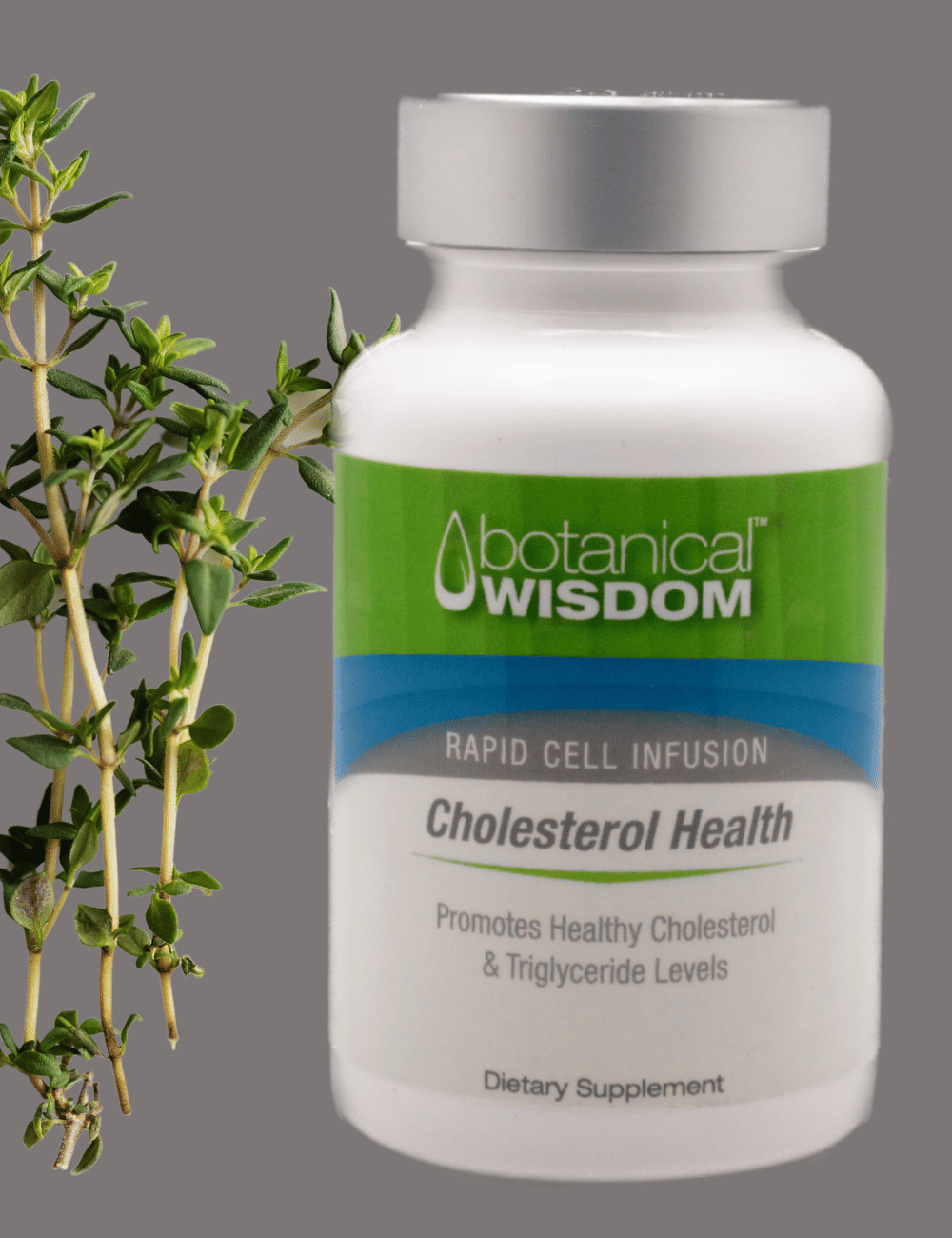
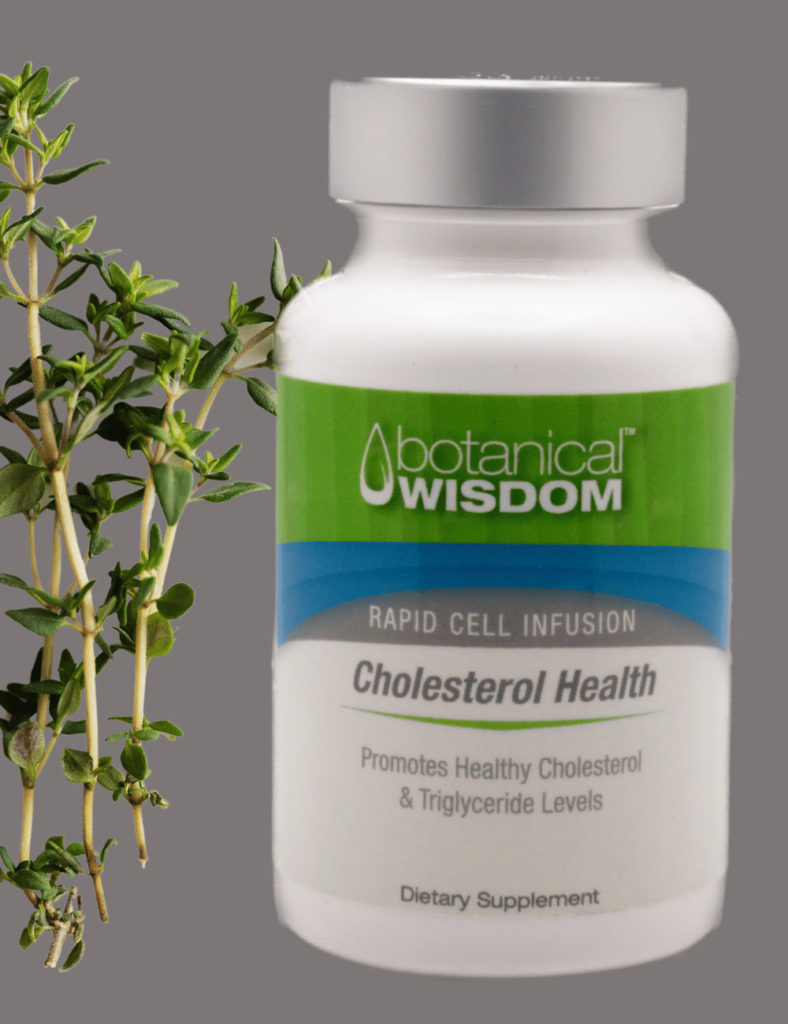
CHOLESTEROL HEALTH
Powerful combination of chamomile and thyme extracts
Lifestyle changes to complement supplement use
While supplements can be beneficial in managing high cholesterol, they should be used in conjunction with lifestyle changes. Making healthy choices in your diet and physical activity can have a significant impact on your cholesterol levels.
Reduce your intake of saturated and trans fats and opt for healthier fats found in foods like avocados, nuts, and olive oil.
Increase your consumption of fruits, vegetables, whole grains, and lean proteins. Engage in regular exercise, aiming for at least 150 minutes of moderate-intensity activity per week.
Quit smoking if you are a smoker, and maintain a healthy weight through a balanced diet and regular physical activity.
The importance of a medical professional's advice
Before starting any new supplement regimen, it is important to consult with your healthcare professional. They can assess your overall health and determine if supplements are appropriate for you.
Your doctor can also provide guidance on the appropriate dosage and potential interactions with any medications you may be taking. Your healthcare professional can help you create a comprehensive plan to manage your high cholesterol and improve your heart health.
Remember that supplements should complement, not replace, prescribed medications or lifestyle changes.
To sum it all up
Managing cholesterol levels is essential for maintaining a healthy heart and living an empowered life.
- Lifestyle changes should be the foundation of any cholesterol-lowering regimen.
- Supplements can play a valuable role in supporting heart health.
- It is important to consult with a healthcare professional before starting any new supplement regimen.